Butter is better for flavor, browning, and crisp, golden edges, while shortening is better for height and a soft, cakey texture that holds its shape. For most home bakers, butter wins, because flavor is the reason we bake in the first place.
Fall baking season is here, and the butter vs shortening question comes up every time someone pulls out grandma’s recipe card. Many classic recipes call for shortening, but plenty of bakers would rather use butter.
Here is how the two fats compare, which one to choose for cookies, pie crust, biscuits, and cakes, and exactly how to swap butter in for shortening.
What Is the Difference Between Butter and Shortening?
Butter is a dairy product churned from cream. It is mostly butterfat, with a small amount of water and milk solids. That water creates steam in the oven, and the milk solids brown, which is where butter’s flavor and golden color come from.
Shortening is a solid fat made from vegetable oils. It is 100% fat with no water, and it is flavorless by design. It also stays solid across a wider range of temperatures, so it melts more slowly in the oven.
Those two differences, water content and melting point, explain almost everything about how each one bakes.
How Do Butter and Shortening Compare?
Here is a quick comparison for everyday baking.
Quality | Butter | Shortening |
Flavor | Rich, creamy, toasty | Neutral, no flavor |
Fat content | About 80% to 85% | 100% |
Water content | Small amount | None |
Melting | Melts sooner in the oven | Melts later, holds shape |
Cookies | Crisp edges, more spread, golden color | Taller, softer, paler |
Pie crust | Flaky, flavorful layers | Tender, easy to handle |
Browning | Excellent | Minimal |
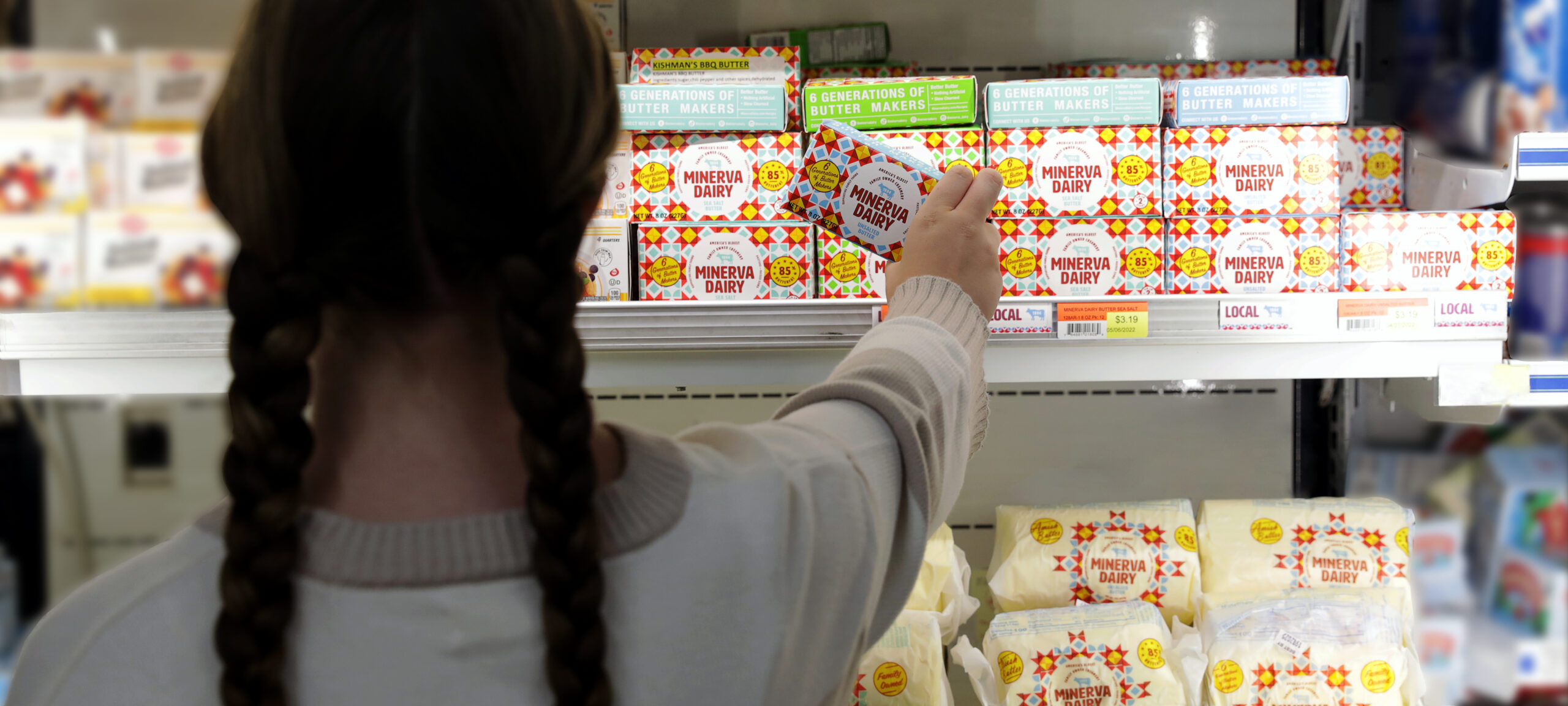
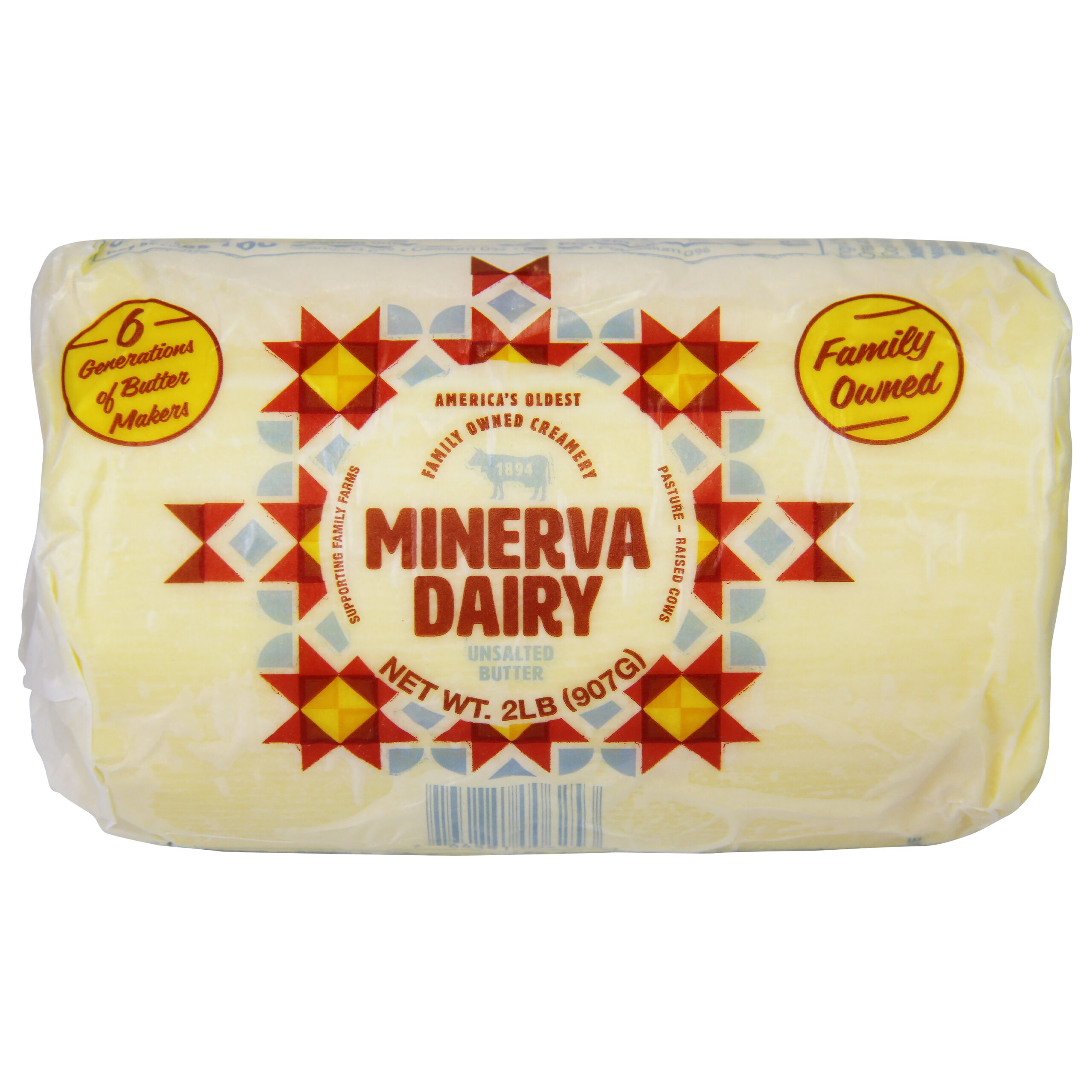
Minerva Dairy butter is 85% butterfat, which means less water than standard butter and even more of that rich flavor in every bite.
Is Butter or Shortening Better for Cookies?
It depends on the cookie you love.
Choose butter for flavor and crisp edges
Butter melts sooner in the oven, so cookies spread a bit more and develop crisp, caramelized edges with chewy centers. The flavor is unmistakably homemade. Our gooey chocolate chip cookies are a perfect example.
Choose shortening for tall, soft cookies
Shortening holds its shape longer, so cookies bake up thicker and softer, with less browning. That is why some cut-out sugar cookie recipes use it.
Want both? Chill your butter dough
Chilling butter cookie dough for 30 minutes to an hour helps it spread less while keeping all the buttery flavor. It is the easiest way to get thick cookies without shortening.
Is Butter or Shortening Better for Pie Crust?
Butter makes the most flavorful, flakiest pie crust. As the little pieces of cold butter melt in the oven, the water turns to steam and puffs apart thin layers of dough.
Shortening makes a crust that is very tender and easy to roll, but it does not taste like much. Some bakers use a mix of both for an easier dough, but if flavor is your priority, go all butter and keep everything cold.
High-butterfat butter is especially good for pie crust, since less water means less risk of a tough or soggy crust. See it in action in our flakiest lattice crust apple pie.
What About Biscuits, Cakes, and Frosting?
Biscuits
Butter gives biscuits flaky layers and rich flavor. Grate frozen butter into the flour for the tallest, flakiest results.
Cakes
Butter cakes have a finer, more flavorful crumb. Creaming soft butter with sugar traps air that helps the cake rise.
Frosting
All-butter frosting tastes far better. Shortening frosting holds up better in hot weather, so some decorators use a little of both for outdoor summer events.
Bread and rolls
Butter adds flavor and a soft, tender crumb, and brushing melted butter on top gives a golden, glossy finish.
How Do You Substitute Butter for Shortening?
You can replace shortening with butter in most recipes. Because butter contains a little water, many bakers add a small amount extra to keep the fat balanced.
Shortening in recipe | Butter to use |
1/4 cup | 1/4 cup + 1/2 tbsp |
1/2 cup | 1/2 cup (1 stick) + 1 tbsp |
3/4 cup | 3/4 cup + 1 1/2 tbsp |
1 cup | 1 cup (2 sticks) + 2 tbsp |
A few tips make the swap smoother:
- Use butter at the temperature the recipe needs: cold for pie crust and biscuits, softened for creaming.
- Chill cookie dough before baking to control spread.
- If you use sea salt butter, reduce added salt slightly. See salted or unsalted butter for baking.
Can You Substitute Shortening for Butter?
You can, cup for cup, but you will give up flavor and browning. Baked goods will be paler and taste flatter. If a recipe was written for butter, especially shortbread, pound cake, or butter cookies, we strongly suggest sticking with butter. In those recipes, butter is the main ingredient you taste.
Why Do Old Recipes Call for Shortening?
Shortening became popular in American kitchens in the 1900s because it was shelf-stable and inexpensive, and many family recipe cards were written during that era. Bakers often relied on it for convenience. Today, plenty of home bakers update those recipes with butter for better flavor, and the results are usually a big hit at the table.
When you update a family recipe, make the swap once, take notes, and adjust from there. Grandma would approve.
What Butter Temperature Does Each Recipe Need?
Once you switch to butter, temperature becomes your secret weapon. The same butter behaves very differently depending on how cold or soft it is.
- Frozen or very cold butter is best for pie crust, biscuits, and scones. Small cold pieces create pockets of steam and flaky layers.
- Cool, softened butter is best for cookies and cakes that start with creaming. It should bend without cracking and leave a slight dent when pressed, but never look greasy.
- Melted butter works for brownies, blondies, quick breads, and chewy cookies.
Getting the temperature right matters even more than the butter vs shortening choice. Need help warming butter up quickly? Our guide on how to soften butter has easy, reliable methods.
Butter vs Shortening Frequently Asked Questions
Quick answers for your next bake.
Can I use butter instead of shortening in cookies?
Yes. Use the same amount of butter plus about 2 tablespoons extra per cup. Chill the dough for 30 minutes if you want the cookies to spread less.
Why do my butter cookies spread more than shortening cookies?
Butter melts at a lower temperature than shortening, so the dough spreads before it sets. Chilling the dough helps.
Is butter or shortening better for pie crust?
Butter gives the best flavor and flaky layers. Shortening is easier to handle but tastes neutral. Keep butter very cold for a flaky crust.
Does high-butterfat butter work as a shortening substitute?
Yes, very well. Because it has less water than standard butter, high-butterfat butter like Minerva Dairy’s 85% butterfat butter is closer to shortening in fat content.
Ready to Butter Up Your Fall Baking?
Pie season is the perfect time to make the switch to real butter. Find slow-churned Minerva Dairy butter near you with our Store Locator or shop online through Instacart or Goldbelly for delivery straight to your door.
Stock up on unsalted for baking and sea salt for the table on our products page.